-
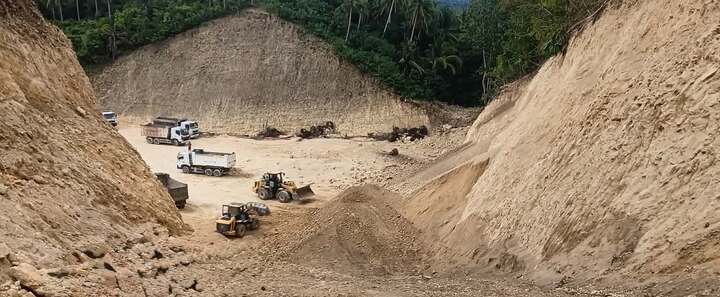 PETITION TO STOP ALL QUARRY OPERATIONS IN MINALABAC, CAMARINES SUROne voice can be ignored, but an entire united town cannot. Whether you live in the highlands, the coastals, or the lowlands, this is OUR town, OUR water, OUR mountains, and OUR future. Join us by signing the petition, sharing your story, and taking a stand for Minalabac!133 of 200 SignaturesCreated by Esmeralda Albis
-
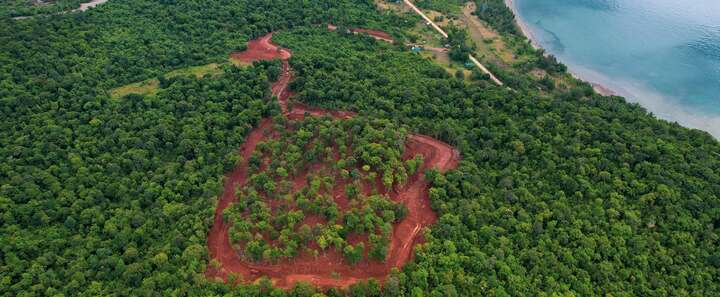 Save and Protect Sibuyan Island, PhilippinesSibuyan Island is one of the world's most biologically important islands. Known as the "Galápagos of Asia," it is home to ancient forests, unique wildlife found nowhere else on Earth, and watersheds that sustain thousands of families. Once these ecosystems are damaged, they cannot simply be restored. The decisions made today will shape the future of Sibuyan's people, its biodiversity, and the climate resilience of future generations. This petition is about more than one mining project. It is about defending the constitutional right to a balanced and healthful ecology, ensuring that communities have a meaningful voice in decisions affecting their future, and choosing sustainable development over irreversible environmental loss. We believe that protecting Sibuyan Island protects our shared natural heritage—and that true progress is measured not only by economic gain, but by our ability to safeguard life, nature, and human dignity for generations to come. Every signature sends a clear message that Sibuyan Island matters. Whether you live in Romblon, elsewhere in the Philippines, or anywhere in the world, this is an opportunity to stand for biodiversity, climate action, environmental justice, and responsible governance. Together, our voices can encourage decision-makers to prioritize science, public participation, and the long-term well-being of communities over short-term interests. Sibuyan Island is one of the Philippines most important last ecological frontiers. Join us. Sign the petition. Share it with others. Together, we can help ensure that the "Galápagos of Asia" remains a living legacy for present and future generations.14,220 of 15,000 SignaturesCreated by Living Laudato Si' Philippines
-
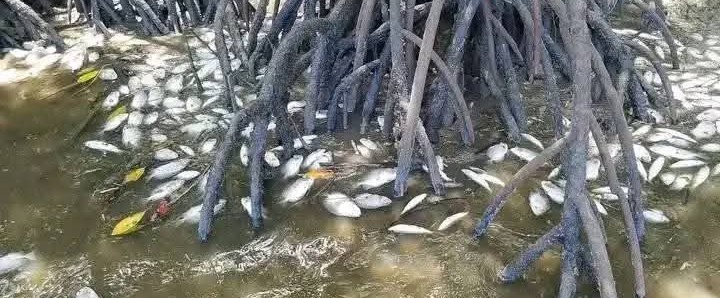 For the Future of Bais City, Manjuyod, and Tañon Strait — Support the Filing of a Writ of KalikasanFor generations, the rivers and coasts of Bais City and Manjuyod have given life to our people—from fisherfolk who rise before dawn to families who depend on clean water for food and health. These same waters flow into the Tañon Strait Protected Seascape, home to dolphins, coral reefs, and the famous Manjuyod Sandbar that draws visitors and supports local tourism and employment. Today, that lifeline is threatened. The recent wastewater contamination has clouded not only our seas but also our sense of safety and trust. Fisherfolk worry about their catch; workers and small business owners fear for tourism’s future. Communities along the coast ask, "Will visitors still come if our waters are unsafe?" Filing a Writ of Kalikasan is our way to act—responsibly and lawfully—to protect both nature and livelihood. This is not about blame but about truth, accountability, and recovery. By standing together, we defend not just our seas but also the dignity and future of the people who depend on them.594 of 600 SignaturesCreated by Lloyd Dionson
 -
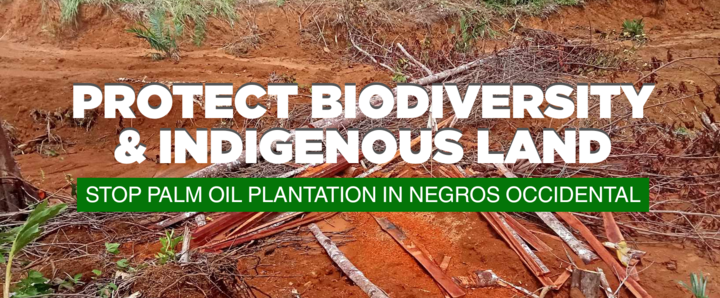.png) Protect Biodiversity and Indigenous Land: Stop Palm Oil Plantation in Negros OccidentalProtecting biodiversity and Indigenous land in Candoni, Negros Occidental is crucial not only for the well-being of the local ecosystem, but also for the preservation of the cultural heritage and livelihood of Indigenous Peoples who have cared for these lands for generations. The ongoing palm oil project threatens to destroy critical forest areas, pollute water systems, displace farming communities, and exhibits blatant disregard of the law. These lands are home to unique plant and animal species, many of which may not survive the rapid environmental changes caused by deforestation, soil erosion, and siltation. Moreover, the lack of proper consultation with Indigenous communities violates their rights and disregards their role as stewards of the land. We call on all Negrenses to stand with the people of Candoni by joining our campaign and remaining vigilant in defending our environment and indigenous people. Now more than ever, we need collective action to hold destructive projects accountable and to demand that development respects both ecological balance and human dignity. Let us come together to protect what remains of our forests, rivers, and ancestral domains—for the future of our children, our communities, the people, and the planet.501 of 600 SignaturesCreated by Joshua Villalobos
Protect Biodiversity and Indigenous Land: Stop Palm Oil Plantation in Negros OccidentalProtecting biodiversity and Indigenous land in Candoni, Negros Occidental is crucial not only for the well-being of the local ecosystem, but also for the preservation of the cultural heritage and livelihood of Indigenous Peoples who have cared for these lands for generations. The ongoing palm oil project threatens to destroy critical forest areas, pollute water systems, displace farming communities, and exhibits blatant disregard of the law. These lands are home to unique plant and animal species, many of which may not survive the rapid environmental changes caused by deforestation, soil erosion, and siltation. Moreover, the lack of proper consultation with Indigenous communities violates their rights and disregards their role as stewards of the land. We call on all Negrenses to stand with the people of Candoni by joining our campaign and remaining vigilant in defending our environment and indigenous people. Now more than ever, we need collective action to hold destructive projects accountable and to demand that development respects both ecological balance and human dignity. Let us come together to protect what remains of our forests, rivers, and ancestral domains—for the future of our children, our communities, the people, and the planet.501 of 600 SignaturesCreated by Joshua Villalobos -
Stand with Filipino Farmers: End Import Dependence Now!Filipino farmers are the backbone of the country. Our country has long since been an agricultural country yet today, we lag behind most countries in terms of production, development, growth, and exports. For years, support on the agricultural sector have been lacking and Filipino farmers have been experiencing poverty. It is up to us to call out those who are accountable and vote for Filipinos who truly show care for the welfare of our farmers. We must prevent exploitation and abuse of our farmers through finding the root causes of their problems in price and production.61 of 100 SignaturesCreated by Karl Benedict Chua
-
 Save Tabon Cave and Lipuun Point in Panitian Quezon Palawan PhilippinesTo have change and protect it to the invader and personal interest of other people. It must be for Municipality of Quezon , and it must be for the tribes surrounded it. And supervise by Province of Palawan Philippines.4 of 100 SignaturesCreated by Gary Gabinete
-
 HCWH's Position Statement on the proposed bill establishing waste-to-energy technologiesThere is an urgent need for the health sector to rise up and support the fight against false solutions to plastic pollution. Global waste generation is set to double from 2015 to 2025, reaching over 6 million tonnes per day, with a projected increase to 11 million tonnes per day by the next century. In the Philippines, 362,000 metric tons of waste and 280 metric tons of medical waste are generated annually, posing challenges for proper waste management and segregation. Focusing on sustainable alternatives over disposal can reshape consumption habits and lead to better waste reduction outcomes. The Philippine Clean Air Act of 1999 clearly indicates the rights of Filipinos, including the right to breathe clean air, the right to utilize and enjoy all natural resources according to the principle of sustainable development, and the right to be informed of the nature and extent of the potential hazards of any activity. Incineration, also known as waste-to-energy, thermal treatment, energy-from-waste, and energy recovery, is not an effective solution to the waste management challenges and plastic pollution crisis. Beyond the health impacts and environmental degradation, false solutions, including WTE technology, do not effectively address waste disposal challenges and energy generation. Health Care Without Harm Southeast Asia, therefore, states our opposition to this bill. We are deeply concerned about the potential health and environmental risks associated with reintroducing incineration technologies, such as waste-to-energy facilities, for dealing with municipal waste, including medical and infectious waste. We urge for preventive measures to be taken, a just transition to be provided, and a precautionary approach to be supported in waste management.10 of 100 SignaturesCreated by Health Care Without Harm Southeast Asia
-
 President Marcos Jr: Make SHELL and other oil, coal, & gas companies pay for climate disastersTogether with typhoon survivors and communities across the Philippines affected by climate impacts caused by the destructive operations of S and other oil, coal, and gas companies, we’re calling on President Bongbong Marcos: Hold these polluters accountable and make them pay!509 of 600 SignaturesCreated by Greenpeace Philippines
-
 PETITION TO SHUT DOWN ABUSIVE ONLINE LENDING APPSThis is crucial because numerous lives have been harmed and wasted as a result of Online Lending Applications (OLA). We seek justice for all victims, particularly those experiencing depression and contemplating ending their lives due to the extreme distress caused by the humiliation and intimidation from these OLAs. Many victims have lost their jobs because OLA agents have sent malicious messages to their bosses, tarnishing their reputations. Some are contemplating suicide due to trauma and depression caused by death threats, social media slander, and communication with friends and colleagues. These individuals can no longer return to their normal lives, experiencing broken relationships and friendships—all because of debts they did not intend to evade. Instead, they sought a delay in payment, only to face intimidation, threats, and humiliation on social media, affecting their friends and relatives.43,920 of 45,000 SignaturesCreated by Vanessa Burdeos
-
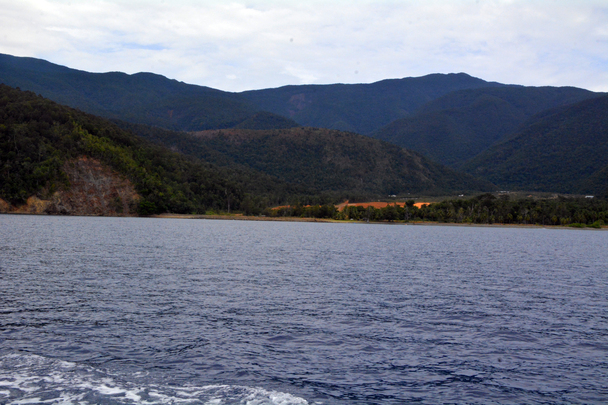 STOP the mining operations of Austral-Asia Link Mining Corporation and Hallmark Mining CorporationWe the Church people together with the farmers, fisherfolks, youth, professionals, the academe of Davao Oriental together with our national and international advocates hereby urge Hon. Roy Cimatu, DENR Secretary, TO STOPTHE MINING OPERATIONS NOW AND TO REVOKE ANY MINING AGREEMENTS WITH AUSTRAL ASIA LINK MINING CORPORATION AND HALLMARK MINING CORPORATION BOTH UNDER THE ASIATICUS MANAGEMENT CORPORATION (AMCOR) IN MAGUM, PUJADA BAY AND SALINGCOMOT, MATI CITY, PROVINCE OF DAVAO ORIENTAL. We are also against any large-scale mining activities in the whole province of Davao Oriental, as they are apparently detrimental to nature. The Mineral Production Sharing Agreement (MPSA) was issued on June 8, 2004; hence, in 2020 they have been mining for 16 years already and still have 9 more years before the twenty- five years agreement expires! During these sixteen (16) years of mining operations, the residents of the localities have witnessed the deteriorating conditions wrought by the mining lodged between two protected areas: MT. HAMIGUITAN -proclaimed as a Wildlife Sanctuary (R.A. No. 9303) and a UNESCO World Heritage and PUJADA BAY - declared as a Protected Landscape/Seascape (R.A.7586, Executive Order no. 431 July 31, 1994). Likewise, Pujada Bay was also declared one of the Most Beautiful Bays in the world during the 15th World Bays Congress in Toyama prefecture, Japan held from October 16-20, 2019. In addition, the forested area of barangay Cabuaya in Mati City which is also located near the region was also declared a protected area as it is the natural habitat of the endangered Philippine Eagle. In Mt. Hamiguitan, the cutting of trees not excluding the pygmy forests and watershed areas, had caused forest denudation, soil erosion and siltation. The residents decried lamentations on the decreasing water supply to their communities. They were likewise saddened with the discovered wastage of cut logs left untended until they were rotten. There was also no rehabilitation nor replacement of cut trees. In Pujada Bay, researches on nutrient mapping showed its risk on eutrophication, reducing productivity and declining marine life diversity. Once more, we reiterate our main contention on opposing these mining corporations even at the onset of their mining application. Based on the study published on http://bhpbilitonwatch.net/2009/10/21pujada-hallmark-nickel laterite-project profile/, some 4,778 hectares of mining permits overlap on five major drainage water systems and watersheds which either drain to Pujada Bay or to the Davao Gulf. These bodies of freshwater are the main water supplies for the communities living within and around the area. Additionally, the Pujada region is situated on the Pacific Cordillera fault line. The 2008 report “Philippines: Mining or Food” recommended that “no mining should take place on Mt. Hamiguitan or near Pujada Bay which are centres of biodiversity with high ecotourism potential.” Under these conditions, any mining activity in the area should be strictly prohibited. The loss of forests and woodlands entails loss of species which may constitute extremely important resources in the future – not only for food but also for curing diseases and other uses. Different species contain genes which could be key resources in years ahead for meeting our needs and regulating environmental problems (Laudato Si # 32). With their extinction, they will no longer give glory to God in their very existence nor convey their message to us. People have no such right! (Laudato Si # 33). The Philippines is one of the 17 richest countries in the world in terms of biodiversity; with more than half of it, found nowhere else on earth! In the final report: Philippine Biodiversity Conservation Priorities (2002), there was an appeal to take action now...“We are simply running out of time to meet the biodiversity crisis” Researches done by DOSCST have shown decreasing diversity indices of the different species on both Mt. Hamiguitan and Pujada Bay (2017- E 17; 2015 P8). Studies on Blue Carbon Stock Assessment (2016- D 4; 2017, D 5; 2019- E-22) have also shown that coastal vegetative habitats including sea grass resources capture carbon up to 70% in the marine realm; hence part of this threatened biodiversity is a crucial potential climate change mitigation and adaptation strategy! Because of the dire conditions of Philippine biodiversity, Eugene Linden (Environmental Journalist) and John Terbough (Plant Ecologist) assessed that our country was already being damaged beyond repair. But the DENR and the Biodiversity Management Bureau (BMB) still believe that there is still a small window of opportunity through urgent conservation action... “To stem the tide of destruction before a point of no return is reached.” (Theresa Mundita Lim, Treasures of Philippine Wild, 2014 by BMB and DENR). From the start of their existence, these mining firms have been existing illegally in violation of the Philippine Mining Act of 1995 (R.A. 7942) Chapter III Sec.19 f – “Areas closed to Mining Applications include ‘old growth or virgin forests, proclaimed watershed forest reserves, wilderness area, mangrove forests, national parks, provincial/municipal forests, parks, greenbelts, game refuge and bird sanctuaries’ as defined by law and in areas expressly prohibited on the National Integrated protected Area system (NIPAS) under Republic Act No 7586, Department Administrative Order No. 25, series of 1992 and other laws.” Damages had been done and ‘the dangerous point of no return’ might be reached if mining operations are not stopped now. We ought to remember that the environment can exist without us but we can never exist without the environment. We have only one common home: planet Earth and there is no other.51 of 100 SignaturesCreated by Diocese of Mati
-
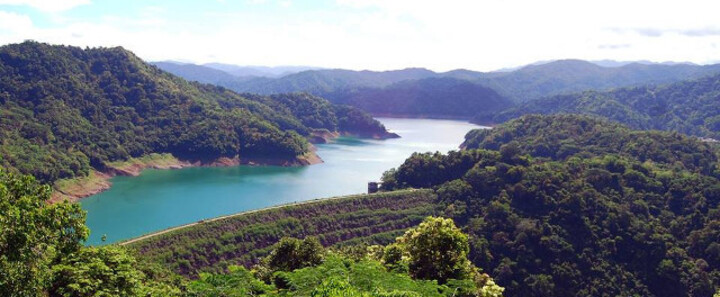 Pay the 7 months delay in salaries of Bantay Gubat Rangers from Ipo WatershedThe Bantay Gubat of Ipo Watershed are the forest rangers who roam the 6,600 hectares of Ipo Watershed to protect it against deforestation which is very rampant in the area. While the Ipo Management Plan was still pending for approval, a Memorandum of Agreement dated September 2014 between MWSS and DENR was made wherein MWSS agreed to hire selected members of the People’s Organizations (POs) as Bantay Gubat to assist in forest protection and anti-illegal logging operations. Furthermore, it was stipulated that the DENR will be responsible for the deputization and day to day supervision of Bantay Gubat while the MWSS, through the water concessionaires shall provide funds for the payment of their salaries. Each Bantay Gubat was hired without individual job contract which was signed by them. Since the time they were hired, the salary that they received was delayed by almost one (1) year from the MWSS. There were also no fringe benefits such as SSS, PhilHealth and even insurances that were very essential considering their job as forest rangers involves imminent danger on their lives. Moreover, these Bantay Gubat failed to received equipments and uniforms from the MWSS that were necessary to carry out their function as forest rangers. They left themselves unarmed and defenseless patrol of the 6,600 hectares of Ipo Watershed against the high powered gun of illegal logging syndicates. In fact, sometime in May 2017, a group of 60 men armed with guns and rifles surrounded a group of Bantay Gubat when they were doing their rounds near Sitio Ilas and Sitio Lubog in Barangay Puray, Rodriguez, Rizal. Hence, it was decided by the MWSS with the help of DENR to hire additional Bantay Gubat, therefore, increased from 23 members to 91 members. However, the MWSS is still delayed in paying them their below-minimum wage salaries. As of this writing, no TWG or even implementation of Ipo Watershed Management Plan and Supplemental MOA was done. Despite several meetings done and complaints filed before the MWSS pertaining to the delayed salary of Bantay Gubat, the problem remains unheeded and unaddressed. Since the time the MWSS hired the Bantay Gubat, there is no individual employment contract indicating the terms and conditions of employment as required under the Civil Service Rules and COA. In fact, even PENRO Emelita Lingat notice the same during the meeting held on December 6, 2018. The Bantay Gubat should be paid at least once every two (2) weeks or twice a month pursuant to Article 103 of P.D. 442 otherwise known as the “Labor Code of the Philippines”. The processing of salaries of the Bantay Gubat done at bulk every four months is, up to this day, a clear violation to the labor standards. The MWSS should observe compassionate and social justice towards the Bantay Gubat. Hence, when conflicting interests of labor and capital are to be weighed on the scales of social justice, the heavier influence of the latter should be counter-balanced by sympathy and compassion the law must accord the underprivileged worker. In view of the afore-said policy, the MWSS had a solemn obligation to assist and provide the Bantay Gubat a membership with Social Security System, PhilHealth and other insurances considering their duties as forest rangers involve the assumption of risks. Even the law dictates the afore-said requirements, the MWSS failed to act on that matter and neglect their duties to the Bantay Gubat. MWSS through Watershed Division failed to act on this matter and fell deaf ear to the pleas of Bantay Gubat. Moreover, MWSS failed to immediately facilitate the Ipo Watershed Management Plan which was pending for almost nine (9) years from 2011 up to the present. The Bantay Gubat are considered as “modern heroes” as they protect the Ipo Watershed, the source of Metro Manila’s drinking water. They risk their lives so that millions of Filipino could have an adequate supply of potable drinking water. Hence, the Bantay Gubat do not deserve this labor discrimination and abuse. Without these modern heroes the deforestation in Ipo Watershed will be more rampant and most of the mountains within will be totally denuded. If this happen, there would be a water shortage in Metro Manila and millions of Filipinos will be affected especially this time of pandemic when water is essential.57 of 100 SignaturesCreated by Forest Watch Philippines
-
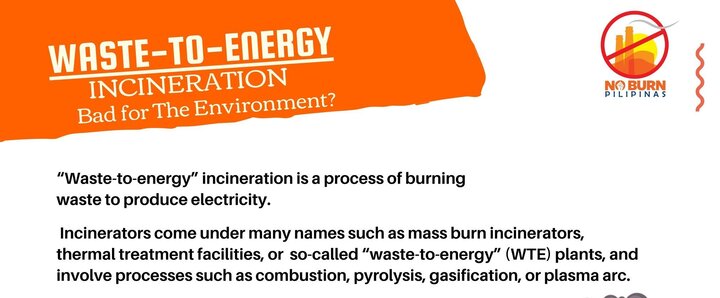 Scrap Waste-to-Energy BillWaste incineration can not solve the waste management problem of the country neither it can provide clean, safe and affordable energy for electric consumers. The reality is opposite. It will only encourage generation of more waste because it will undermine the proper waste management practices such as reusing, repurposing and recycling. It also runs contrary to our aspirational goal of keeping the temperature rise of climate to 1.5 degrees because waste incineration especially plastic waste produces significant greenhouse gas emissions. Finally, it will only convert ordinary wastes to poisonous residues and fumes and persistent organic pollutants including dioxins and furans enough to cause serious health problems such as cancers and will affect future generations.864 of 1,000 SignaturesCreated by Green Thumb Coalition