-
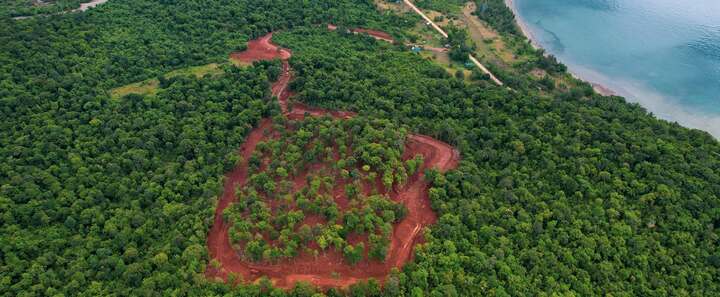 Save and Protect Sibuyan Island, PhilippinesSibuyan Island is one of the world's most biologically important islands. Known as the "Galápagos of Asia," it is home to ancient forests, unique wildlife found nowhere else on Earth, and watersheds that sustain thousands of families. Once these ecosystems are damaged, they cannot simply be restored. The decisions made today will shape the future of Sibuyan's people, its biodiversity, and the climate resilience of future generations. This petition is about more than one mining project. It is about defending the constitutional right to a balanced and healthful ecology, ensuring that communities have a meaningful voice in decisions affecting their future, and choosing sustainable development over irreversible environmental loss. We believe that protecting Sibuyan Island protects our shared natural heritage—and that true progress is measured not only by economic gain, but by our ability to safeguard life, nature, and human dignity for generations to come. Every signature sends a clear message that Sibuyan Island matters. Whether you live in Romblon, elsewhere in the Philippines, or anywhere in the world, this is an opportunity to stand for biodiversity, climate action, environmental justice, and responsible governance. Together, our voices can encourage decision-makers to prioritize science, public participation, and the long-term well-being of communities over short-term interests. Sibuyan Island is one of the Philippines most important last ecological frontiers. Join us. Sign the petition. Share it with others. Together, we can help ensure that the "Galápagos of Asia" remains a living legacy for present and future generations.14,214 of 15,000 SignaturesCreated by Living Laudato Si' Philippines
-
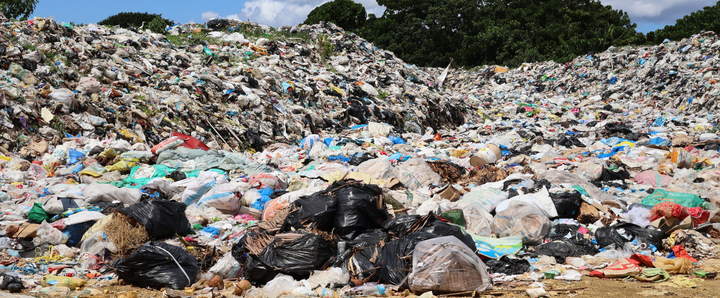 REJECT HOUSE BILL NO. 7575: DEFEND R.A. 9003 AND ADVANCE REAL ZERO WASTE SOLUTIONSThe growing waste crisis affects every Filipino. Plastic pollution clogs waterways, contaminates our environment, and places increasing pressure on communities and local governments struggling to manage waste. Across the country, communities, waste workers, local governments, and environmental advocates have worked for years to promote waste segregation, recycling, composting, and other zero waste solutions. These efforts show that waste can be managed without putting people's health and the environment at risk. House Bill No. 7575 risks taking us in the wrong direction by promoting waste incineration instead of addressing the root causes of the waste problem. Rather than reducing waste and holding companies accountable for the products and packaging they produce, it creates a system that depends on continuously burning waste. The Philippines deserves solutions that prevent waste, reduce pollution, conserve resources, and protect communities. By supporting this petition, you are helping defend the intent of R.A. 9003 and calling for solutions that reduce waste at its source, protect public health, and build a cleaner, healthier, and more sustainable future for all.336 of 400 SignaturesCreated by EcoWaste Coalition
-
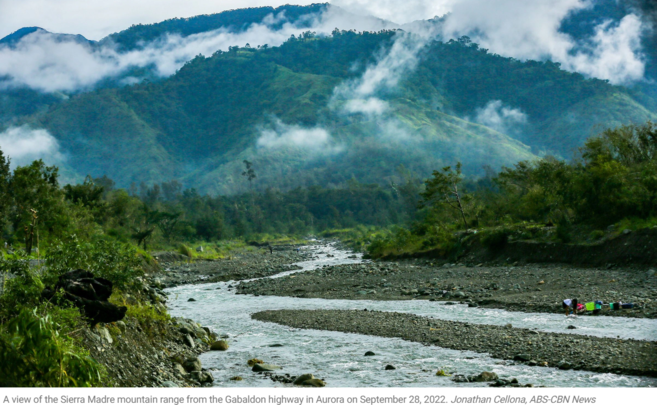 The Sierra Madre Covenant: It is NOW Our TurnThe Call for Protection The tragedies in our archipelagic neighbors serve as a dire warning we can no longer ignore. Cebu has shown us the unprecedented tragedy of uncontrolled floods, resulting in widespread loss of lives and properties. This reality could soon become our own. We in Luzon have been constantly shielded by the Sierra Madre Mountain Range—a natural fortress that has served as our primary defense against typhoons and the cascading effects of climate change. But this protection has come at a cost. The shield is weakening. Just as we were protected by Her, now it is our urgent turn to protect the Sierra Madre Mountain Range.261 of 300 SignaturesCreated by Protect Sierra Madre Movement
 -
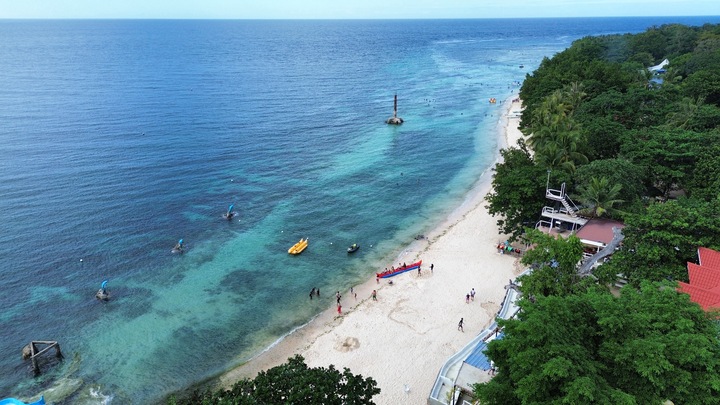 SUPPORT INITAO - SAY NO to the Oil Depot and Pier Project.The importance of protecting areas like Initao from the development of industrial facilities such as an oil depot and pier can be understood from several critical perspectives: 1. Environmental Protection: The establishment of industrial sites, especially those related to fossil fuels, poses significant risks to local ecosystems. These risks include oil spills, air and water pollution, and habitat destruction, all of which can have devastating effects on wildlife and plant life. Preserving the natural habitats in Initao helps maintain biodiversity, which is essential for ecological balance and the health of the planet. 2. Marine Life Conservation: Coastal and marine ecosystems are some of the most productive and biologically diverse areas on Earth. Protecting these areas ensures the survival of numerous marine species, some of which may be endemic or threatened. Marine conservation efforts help sustain fish populations, protect coral reefs, and maintain the overall health of the oceans. 3. Sustainable Tourism: Initao's identity and economy are closely tied to its natural beauty and resources, which attract tourists seeking white sand beaches and unspoiled nature. Sustainable tourism can provide long-term economic benefits without degrading the environment, while industrialization could deter visitors, negatively impacting local businesses and livelihoods. 4. Community Health and Safety: Industrial facilities, particularly those dealing with oil, can be hazardous to nearby residents due to the potential for accidents, explosions, and exposure to toxic substances. Protecting the community from these risks is paramount to ensuring public health and safety. 5. Cultural and Heritage Preservation: Natural landscapes often hold cultural significance for local communities and indigenous peoples. Preserving these areas maintains the cultural heritage and allows future generations to experience and appreciate their ancestral lands. 6. Climate Change Mitigation: The protection of forests and seas plays a crucial role in mitigating climate change by sequestering carbon dioxide and serving as carbon sinks. Development that leads to deforestation or destruction of marine habitats can exacerbate climate change impacts. 7. Legacy for Future Generations: Preserving natural and unspoiled environments ensures that future generations can enjoy and benefit from them, just as present generations have. It is about leaving a legacy that values the long-term health of the planet over short-term industrial gains. In summary, opposing the development of the oil depot and pier in Initao is about safeguarding the environment, ensuring the well-being of the community, preserving the local economy, and maintaining a commitment to future generations. It is about choosing a path of sustainable development that respects the delicate balance between human activity and the natural world.176 of 200 SignaturesCreated by Muhammad Adel Roa
 -
 President Marcos Jr: Make SHELL and other oil, coal, & gas companies pay for climate disastersTogether with typhoon survivors and communities across the Philippines affected by climate impacts caused by the destructive operations of S and other oil, coal, and gas companies, we’re calling on President Bongbong Marcos: Hold these polluters accountable and make them pay!509 of 600 SignaturesCreated by Greenpeace Philippines
-
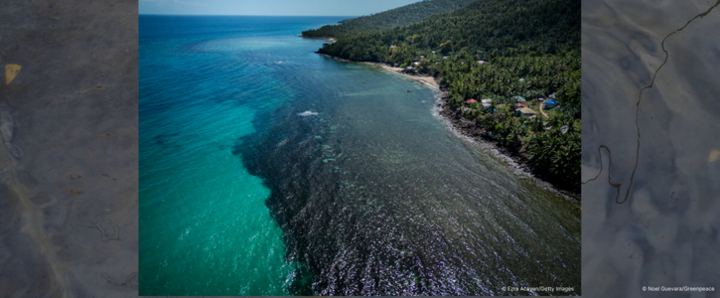.png) President BBM: Pagbayarin ang mga kumpanyang responsable sa MT Princess Empress Oil SpillAng oil spill mula sa paglubog ng MT Princess Empress ay isa na sa pinakamalalawak na oil spill sa kasaysayan ng Pilipinas. Umabot na ang langis sa pampang ng iba’t ibang probinsya, mula Oriental Mindoro hanggang Palawan. Namataan na rin ito sa Verde Island Passage, isang bahagi ng katubigan na mayaman sa marine biodiversity. Nananatili rin itong banta sa mga tanyag na tourism spots gaya ng Boracay at Puerto Galera. Sa loob lamang ng ilang linggo, libu-libong pamilya at mangingisda na ang dumaraing dahil sa insidenteng ito. Lampas 19,000 mangingisda na ang nawalan ng kabuhayan, mahigit isandaang residente na ang nagkakasakit, at nangangamatay na ang mga isda sa Oriental Mindoro at sa mga karatig-probinsya. Ngunit hanggang ngayon, ni isang kusing ay wala pang binabayad ang mga kumpanyang dawit sa sakunang ito. Maging ang charterer ng barko ay hindi pa rin lumalantad. Ang gastusin sa pagbangon ay dapat sagutin ng mga kumpanyang may sala — hindi ng gobyerno lamang o ng mga komunidad na mismong naaapektuhan ng kanilang mapaminsalang negosyo.509 of 600 SignaturesCreated by Greenpeace Philippines
President BBM: Pagbayarin ang mga kumpanyang responsable sa MT Princess Empress Oil SpillAng oil spill mula sa paglubog ng MT Princess Empress ay isa na sa pinakamalalawak na oil spill sa kasaysayan ng Pilipinas. Umabot na ang langis sa pampang ng iba’t ibang probinsya, mula Oriental Mindoro hanggang Palawan. Namataan na rin ito sa Verde Island Passage, isang bahagi ng katubigan na mayaman sa marine biodiversity. Nananatili rin itong banta sa mga tanyag na tourism spots gaya ng Boracay at Puerto Galera. Sa loob lamang ng ilang linggo, libu-libong pamilya at mangingisda na ang dumaraing dahil sa insidenteng ito. Lampas 19,000 mangingisda na ang nawalan ng kabuhayan, mahigit isandaang residente na ang nagkakasakit, at nangangamatay na ang mga isda sa Oriental Mindoro at sa mga karatig-probinsya. Ngunit hanggang ngayon, ni isang kusing ay wala pang binabayad ang mga kumpanyang dawit sa sakunang ito. Maging ang charterer ng barko ay hindi pa rin lumalantad. Ang gastusin sa pagbangon ay dapat sagutin ng mga kumpanyang may sala — hindi ng gobyerno lamang o ng mga komunidad na mismong naaapektuhan ng kanilang mapaminsalang negosyo.509 of 600 SignaturesCreated by Greenpeace Philippines
-
 Commit the Philippines to Investing in Clean Renewable EnergyThe repercussions of climate change are already being felt in the twenty-first century. Droughts, more intense and frequent storms, rising sea levels, and higher temperatures are all having a negative impact on the planet's natural food webs and ecosystems. It is more important than ever to persuade people to abandon fossil fuels, which emit greenhouse gases into the atmosphere, and instead invest in renewable energy.169 of 200 SignaturesCreated by Ryanna Skye Cabrera
 -
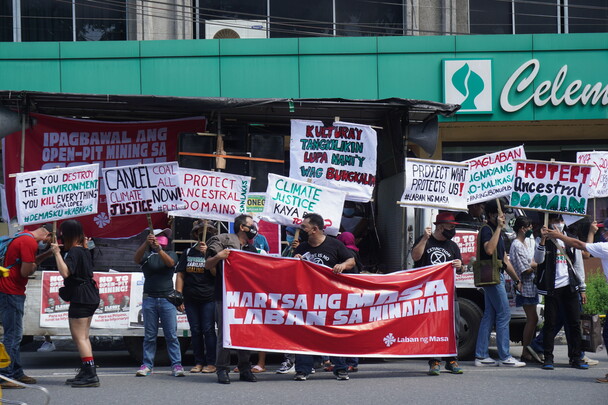 Uphold the Ban! Protect Tampakan!We strongly condemn the railroading of the amendment of the Environment Code of South Cotabato, specifically the lifting of the ban on Open-Pit Mining. The Sangguniang Panlalawigan of South Cotabato did not consider the magnitude of the effects their actions have on the people and the environment, not only in South Cotabato. With this action alone, it will affect multiple watersheds of South Cotabato, Sultan Kudarat, Maguindanao and Davao del Sur. Further, it will also threaten the ecological integrities of Allah Valley (102,000 hectares) in Sultan Kudarat, the watershed of the Padada River (120,000 hectares) in Davao del Sur, and the watershed of the Marbel River (122,000 hectares) in the Province of Cotabato. Watersheds are geographical ecological units, and what happens in one part of the watershed will influence the whole watershed from forests, agricultural, urban, and coastal to estuarine ecosystems due to its geomorphological characteristics, connected rivers and tributaries at the surface, and including groundwater reserves. Open-Pit or Strip Mining is a metallic mining method assessed as one of the most extensively difficult to mitigate and manage; its impacts do not focus on one contained area. It also requires mass deforestation and removing 20-30 meters of the laterite zone to access the metallic resources underneath. This large-scale industry demands enormous hectares of land for operational processes from stripping, extraction, and tailings treatment, to ship loading and refinery. Furthermore, the Tampakan Open-Pit Mining will demand and use groundwater resources and transport highly toxic wastewater through a 150-km pipe from the Municipality of Malalag draining to Davao Gulf. There is a treatment process presented, however, the risks of overland flow, flooding disasters, or possible collapse of tailings ponds will inevitably impair marine and aquatic biodiversity, fish stocks, and aquaculture in the coastal areas, similar to the incident in Mapagba River in Banaybanay last January 2022. The Open-Pit Mining in Tampakan will hugely affect the long-term viability and sustainability of these watersheds that currently provide ecological services and natural resources to the people of South-Central Mindanao. The Tampakan Open-Pit Mining will become the largest mining in Southeast Asia. According to the project information, it is estimated to extract 2.94 billion tons of metallic resources, 15 million tons of copper, and 17.6 million ounces of Gold. According to S&P Global Market, Open-Pit mining emits a vast amount of greenhouse gases than underground mining methods. On average, copper mining emits 2.3-2.5 tons of Carbon Dioxide (CO2) per ton of metal and nearly 1 ton of CO2 emitted per ounce of gold produced. Combining both Copper and Gold extractions, it is estimated that around 55 million tons of CO2 will be added to the country’s greenhouse gas contribution. Hence, this is ironic to our country’s commitment during the United Nations Climate Change Conference (COP26) in Glasgow that said it is moving ahead with urgency in cutting greenhouse gas emissions and committed to reducing its emissions by 75% in 2030.620 of 800 SignaturesCreated by Interfacing Development Interventions for Sustainability Inc.
-
 Dear Presidential Candidate: Vice President Leni RobredoCurrent and dominant election narratives in the news and in social media focus on personalities and partisanship. We believe that this focus must be shifted and more space must be made for tackling issues, particularly the issues that will define the future of the planet and the fate of the youth. The #Love52 movement envisions an empowered and forceful youth voice that is demanding good governance and a better normal. “Why do we vote?” We vote to protect our loved ones, our country, and our planet. Together with various youth nationwide, we’ll seed changes in the Filipinos’ thinking about election issues, and show them that they have the power to change the narrative and move candidates to adopt the youth agenda.167 of 200 SignaturesCreated by Love, 52
-
 Dear Presidential Candidate: Senator Manny PacquiaoCurrent and dominant election narratives in the news and in social media focus on personalities and partisanship. We believe that this focus must be shifted and more space must be made for tackling issues, particularly the issues that will define the future of the planet and the fate of the youth. The #Love52 movement envisions an empowered and forceful youth voice that is demanding good governance and a better normal. “Why do we vote?” We vote to protect our loved ones, our country, and our planet. Together with various youth nationwide, we’ll seed changes in the Filipinos’ thinking about election issues, and show them that they have the power to change the narrative and move candidates to adopt the youth agenda.9 of 100 SignaturesCreated by Love, 52
-
 Dear Presidential Candidate: Dr. & Atty. Joey MontemayorCurrent and dominant election narratives in the news and in social media focus on personalities and partisanship. We believe that this focus must be shifted and more space must be made for tackling issues, particularly the issues that will define the future of the planet and the fate of the youth. The #Love52 movement envisions an empowered and forceful youth voice that is demanding good governance and a better normal. “Why do we vote?” We vote to protect our loved ones, our country, and our planet. Together with various youth nationwide, we’ll seed changes in the Filipinos’ thinking about election issues, and show them that they have the power to change the narrative and move candidates to adopt the youth agenda.10 of 100 SignaturesCreated by Love, 52
-
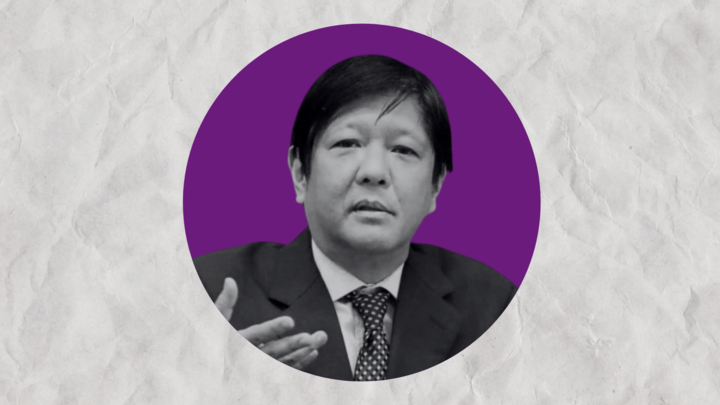 Dear Presidential Candidate: Mr. Bongbong MarcosCurrent and dominant election narratives in the news and in social media focus on personalities and partisanship. We believe that this focus must be shifted and more space must be made for tackling issues, particularly the issues that will define the future of the planet and the fate of the youth. The #Love52 movement envisions an empowered and forceful youth voice that is demanding good governance and a better normal. “Why do we vote?” We vote to protect our loved ones, our country, and our planet. Together with various youth nationwide, we’ll seed changes in the Filipinos’ thinking about election issues, and show them that they have the power to change the narrative and move candidates to adopt the youth agenda.51 of 100 SignaturesCreated by Love, 52