
No campaign can be found for "".
You might be interested in these petitions
-
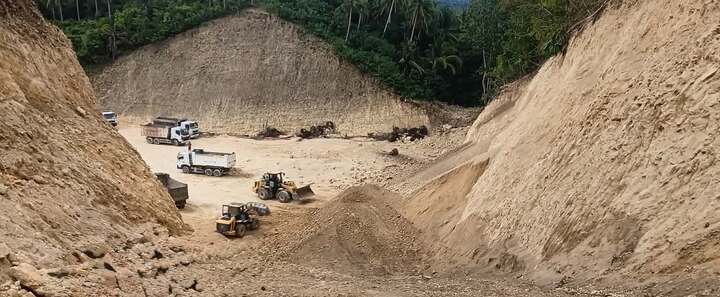 PETITION TO STOP ALL QUARRY OPERATIONS IN MINALABAC, CAMARINES SURUrgent Appeal to Stop All Quarry Operations in Minalabac, Camarines Sur: Protect Our Water, Infrastructure, Safety from Flooding, and Fundamental Human Rights TO: • Department of Environment and Natural Resources (DENR-EMB Region 5) • Mines and Geosciences Bureau (MGB Region 5) • Provincial Mining Regulatory Board (PMRB) – Camarines Sur • Office of the Provincial Governor – Camarines Sur • Bagong Minalabac LGU & Sangguniang Bayan of Minalabac • Commission on Human Rights (CHR Region 5) STATEMENT OF CALL AND HUMAN RIGHTS CONCERNS: We, the residents, community members, and concerned citizens of Minalabac, Camarines Sur, urgently petition the DENR, MGB, PMRB, and our Local Government Unit to immediately suspend, cancel, and stop all ongoing and proposed quarry operations across the municipality of Minalabac. While economic development and public infrastructure projects are vital, they must not come at the expense of our people’s safety, living conditions, and fundamental human rights. Our communities are suffering from severe environmental degradation, public safety hazards, and human rights violations caused by continuous quarrying activities: 1. Violation of the Right to Safety and Life (Threat of Unprecedented Flooding) Under the Universal Declaration of Human Rights and the Philippine Constitution, every citizen has an inherent right to life, security, and safety. The stripping of mountain topsoil, destruction of forest cover, and removal of natural rock barriers upstream have eliminated Minalabac’s natural watershed defenses. As a result, low-lying communities are now subjected to sudden, unnatural flash runoffs, heavy mudslides, and unprecedented flooding in areas that historically never flooded in the past. This directly endangers human lives, residential homes, and livestock during heavy rain. 2. Violation of the Human Right to Water and Sanitation Living in the highland area of Minalabac means water is naturally scarce, but our communities were blessed with busay (natural springs), streams, and clean wells. Upstream quarrying has disrupted groundwater aquifers and catchment areas, leaving primary water sources — such as streams in Zone 1, Hobo and neighboring barangays—severely depleted, dried up, or contaminated with silt. Under UN Resolution 64/292 and Republic Act No. 9275 (Clean Water Act), access to safe, clean drinking and domestic water is a protected human right that is being actively violated. 3. Violation of the Right to a Balanced and Healthful Ecology & Health Section 16, Article II of the 1987 Philippine Constitution guarantees the right of the people to a balanced and healthful ecology in accord with the rhythm and harmony of nature. The persistent airborne dust, structural vibrations, loss of green space, and noise pollution from quarry site activity and heavy truck traffic threaten the respiratory health, peace of mind, and general well-being of residents along transport routes. 4. Destruction of Local Infrastructure and Public Safety Hazards Continuous passage of overloaded quarry haul trucks exceeds the weight capacity of local roads, causing severe structural cracks, potholes, and damage to municipal roads and overflow bridges. This creates severe daily transport hazards for commuters and school children, while consuming public funds meant for local infrastructure maintenance. OUR PRAYERS & DEMANDS: We respectfully demand that the recipient government agencies take immediate action to: 1. Issue an Immediate Cease and Desist Order (CDO) / Moratorium on all active quarry extraction and hauling activities in Minalabac while a comprehensive human rights and technical environmental audit is conducted. 2. Conduct an On-Site Hydrogeological, Disaster Risk, and Environmental Audit by DENR-EMB, MGB Region 5, and the Provincial Disaster Risk Reduction and Management Office (PDRRMO) to evaluate flood vulnerability, water depletion, and aquifer damage in affected barangays. 3. Investigate Human Rights Violations. Request the Commission on Human Rights (CHR Region 5) to conduct an independent inquiry into the impact of quarrying on residents' rights to water, sanitation, health, and disaster safety. 4. Review Environmental Compliance Certificates (ECC) and Permits. Investigate whether operators have breached spatial buffer zones (DAO 2010-21, Sec. 79a) near water bodies (busay and riverbeds) and failed to maintain required siltation and flood control ponds. 5. Mandate Load Weight Enforcement & Infrastructure Repair. Compel DPWH and Bagong Minalabac LGU to strictly enforce axle-load limits on haul trucks and hold quarry operators financially responsible for repairing damaged public roads and bridges. 6. Ensure Comprehensive Rehabilitation: Require operators under their Environmental Protection and Enhancement Program (EPEP) commitments to fund the immediate restoration of affected water catchments, reforestation, and flood mitigation structures.106 of 200 SignaturesCreated by Esmeralda Albis
-
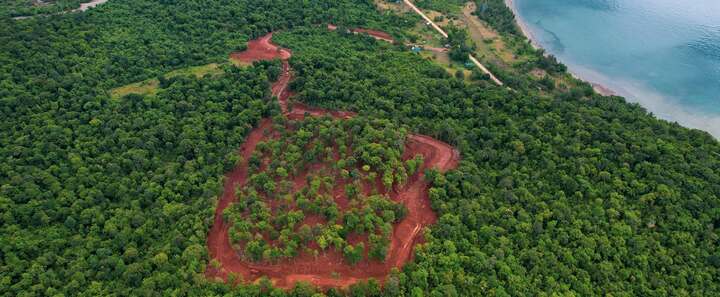 Save and Protect Sibuyan Island, PhilippinesPetition to Protect Sibuyan Island: Stop Mining and Cancel Altai's MPSA We, the people of San Fernando, Sibuyan Island, the Province of Romblon, and supporters from across the Philippines and the world, respectfully call on our government leaders to immediately halt all mining operations of Altai Philippines Mining Corporation and cancel Mineral Production Sharing Agreement (MPSA) No. 304-2009-IVB. Sibuyan Island is internationally known as the "Galápagos of Asia." It is home to one of the most intact tropical forests in the Philippines, hundreds of endemic species found nowhere else on Earth, and watersheds that provide clean water, food, and livelihoods to local communities. These ecosystems are not only vital to Sibuyan—they are part of our shared natural heritage and contribute to climate resilience by storing carbon and protecting biodiversity. It is one of the Philippines most important last ecological frontiers. The proposed mining activities extend far beyond a single project site. They pose risks to interconnected forests, rivers, watersheds, agricultural lands, coastal ecosystems, and communities. Scientific data and official hazard maps also show that parts of the affected area are susceptible to landslides, flooding, and seismic hazards. Disturbing these fragile landscapes could increase risks to both people and nature. We are equally concerned that this project continues to face significant opposition from local communities. Genuine public participation and informed consultation are essential in decisions that will affect present and future generations. Development must be guided not only by economic considerations but also by environmental protection, public safety, human rights, and the constitutional right of every Filipino to a balanced and healthful ecology. We believe that Sibuyan's future lies in sustainable development—strengthening agriculture, fisheries, ecotourism, biodiversity conservation, and climate-resilient livelihoods—rather than extractive activities that may leave irreversible environmental damage. We therefore respectfully urge our decision-makers to: • Immediately stop all mining operations of Altai Philippines Mining Corporation on Sibuyan Island; • Cancel MPSA No. 304-2009-IVB in the interest of environmental protection and public welfare; • Protect Sibuyan Island's forests, watersheds, biodiversity, and communities for present and future generations; and • Promote sustainable and inclusive development that respects both people and nature. Sibuyan Island is more than a place on the map. It is a living ecosystem, a source of life, and a legacy we hold in trust for future generations. Let us choose protection over destruction, and stewardship over short-term extraction.14,215 of 15,000 SignaturesCreated by Living Laudato Si' Philippines
-
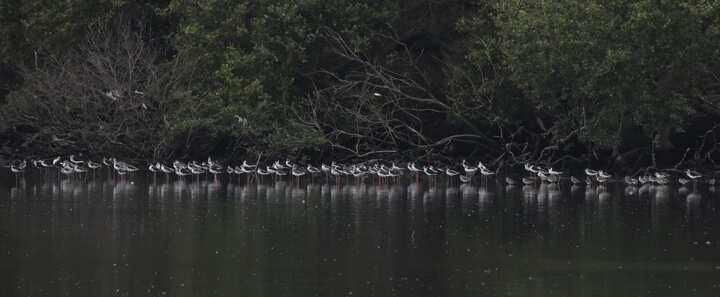.jpg) PROTECT LAS PIÑAS–PARAÑAQUE WETLAND PARK AND ITS MIGRATORY BIRDSTHE YOUTH STRONGLY CONDEMNS THE PROPOSAL TO RELOCATE THE LAS PIÑAS–PARAÑAQUE WETLAND PARK AND ITS MIGRATORY BIRDS We, the undersigned youth-led environmental organizations, strongly condemn and unequivocally reject the recent statement and proposal to relocate the Las Piñas Parañaque Wetland Park (LPPWP) and its migratory birds to address airport bird strike concerns. This proposal is scientifically unfounded, ecologically impossible, and dangerously undermines decades of conservation efforts in one of the Philippines' most ecologically significant wetlands. Long before the establishment of the nearby airport, Manila Bay had already been serving as a natural stopover and wintering ground for migratory waterbirds along the East Asian–Australasian Flyway, one of the world's major migratory bird flyways. These migration routes have been shaped by thousands of years of evolution and ecological processes, not by human infrastructure. Airports were built within an already existing ecological landscape, not the other way around. To suggest that migratory birds can simply be "relocated" or redirected to another migration path demonstrates a fundamental misunderstanding of migration ecology. Migratory birds navigate using complex biological, environmental, and geomagnetic cues across continents. Their migratory behavior cannot be altered through policy or human instruction. Likewise, LPPWP is not a movable facility that can simply be transferred elsewhere. It is a naturally functioning coastal wetland ecosystem formed through unique geological, hydrological, tidal, and ecological processes that have developed over generations. Wetlands derive their ecological value from their location, habitat connectivity, and natural processes. These qualities cannot simply be recreated by relocating them. Beyond providing habitat for migratory birds, the wetland also supports fisheries, sequesters atmospheric carbon, improves water quality, buffers coastal communities from storm impacts, and contributes to the ecological resilience of Manila Bay and its inhabitants. Its value extends far beyond wildlife alone. More importantly, LPPWP is not an ordinary parcel of land. It is a legislated protected area under the Expanded National Integrated Protected Areas System Act (Republic Act No. 11038), which permanently includes the park within the Philippines' protected area system. It is likewise recognized internationally as a Ramsar Site, acknowledging its exceptional ecological importance as a habitat for migratory waterbirds and other wildlife. Proposing its relocation disregards both Philippine law and the country's international commitments to biodiversity conservation. Furthermore, available evidence from airport wildlife hazard assessments consistently shows that the species most commonly associated with bird strike incidents are rock doves, also known as feral or domesticated pigeons, and other urban-adapted resident birds that thrive around human settlements and airport facilities. These are not the migratory shorebirds and waterbirds using the wetland. Conflating migratory birds with the primary causes of bird strikes is misleading and diverts attention away from science-based wildlife hazard management strategies. The solution to bird strike risks should never be the destruction, degradation, or relocation of protected ecosystems. Instead, airport safety should continue to be addressed through internationally recognized, science-based wildlife hazard management practices that balance aviation safety with biodiversity conservation. As young Filipinos committed to environmental stewardship, we refuse to accept false choices that pit biodiversity conservation against development. Sustainable development demands coexistence, informed decision-making, and respect for science, not proposals that sacrifice irreplaceable ecosystems for short-term convenience. We call upon the Senate of the Philippines, the Department of Transportation, the Department of the Interior and Local Government, the Department of Environment and Natural Resources, the Department of Agriculture - Bureau of Animal Industry, the Civil Aviation Authority of the Philippines, airport operators, policymakers, and the public to reject narratives that misrepresent ecological realities and instead uphold evidence-based policymaking. The protection of the Las Piñas-Parañaque Wetland Park is not merely an environmental issue. It is a legal obligation, a scientific imperative, and a moral responsibility to safeguard one of the country’s last remaining significant urban coastal wetlands for present and future generations. The youth stand firmly with science. The youth stand firmly with the law. The youth stand firmly for nature. Protect our wetlands. Protect our migratory birds. Protect Manila Bay's natural heritage.429 of 500 SignaturesCreated by Matthew Vincent Tabilog
PROTECT LAS PIÑAS–PARAÑAQUE WETLAND PARK AND ITS MIGRATORY BIRDSTHE YOUTH STRONGLY CONDEMNS THE PROPOSAL TO RELOCATE THE LAS PIÑAS–PARAÑAQUE WETLAND PARK AND ITS MIGRATORY BIRDS We, the undersigned youth-led environmental organizations, strongly condemn and unequivocally reject the recent statement and proposal to relocate the Las Piñas Parañaque Wetland Park (LPPWP) and its migratory birds to address airport bird strike concerns. This proposal is scientifically unfounded, ecologically impossible, and dangerously undermines decades of conservation efforts in one of the Philippines' most ecologically significant wetlands. Long before the establishment of the nearby airport, Manila Bay had already been serving as a natural stopover and wintering ground for migratory waterbirds along the East Asian–Australasian Flyway, one of the world's major migratory bird flyways. These migration routes have been shaped by thousands of years of evolution and ecological processes, not by human infrastructure. Airports were built within an already existing ecological landscape, not the other way around. To suggest that migratory birds can simply be "relocated" or redirected to another migration path demonstrates a fundamental misunderstanding of migration ecology. Migratory birds navigate using complex biological, environmental, and geomagnetic cues across continents. Their migratory behavior cannot be altered through policy or human instruction. Likewise, LPPWP is not a movable facility that can simply be transferred elsewhere. It is a naturally functioning coastal wetland ecosystem formed through unique geological, hydrological, tidal, and ecological processes that have developed over generations. Wetlands derive their ecological value from their location, habitat connectivity, and natural processes. These qualities cannot simply be recreated by relocating them. Beyond providing habitat for migratory birds, the wetland also supports fisheries, sequesters atmospheric carbon, improves water quality, buffers coastal communities from storm impacts, and contributes to the ecological resilience of Manila Bay and its inhabitants. Its value extends far beyond wildlife alone. More importantly, LPPWP is not an ordinary parcel of land. It is a legislated protected area under the Expanded National Integrated Protected Areas System Act (Republic Act No. 11038), which permanently includes the park within the Philippines' protected area system. It is likewise recognized internationally as a Ramsar Site, acknowledging its exceptional ecological importance as a habitat for migratory waterbirds and other wildlife. Proposing its relocation disregards both Philippine law and the country's international commitments to biodiversity conservation. Furthermore, available evidence from airport wildlife hazard assessments consistently shows that the species most commonly associated with bird strike incidents are rock doves, also known as feral or domesticated pigeons, and other urban-adapted resident birds that thrive around human settlements and airport facilities. These are not the migratory shorebirds and waterbirds using the wetland. Conflating migratory birds with the primary causes of bird strikes is misleading and diverts attention away from science-based wildlife hazard management strategies. The solution to bird strike risks should never be the destruction, degradation, or relocation of protected ecosystems. Instead, airport safety should continue to be addressed through internationally recognized, science-based wildlife hazard management practices that balance aviation safety with biodiversity conservation. As young Filipinos committed to environmental stewardship, we refuse to accept false choices that pit biodiversity conservation against development. Sustainable development demands coexistence, informed decision-making, and respect for science, not proposals that sacrifice irreplaceable ecosystems for short-term convenience. We call upon the Senate of the Philippines, the Department of Transportation, the Department of the Interior and Local Government, the Department of Environment and Natural Resources, the Department of Agriculture - Bureau of Animal Industry, the Civil Aviation Authority of the Philippines, airport operators, policymakers, and the public to reject narratives that misrepresent ecological realities and instead uphold evidence-based policymaking. The protection of the Las Piñas-Parañaque Wetland Park is not merely an environmental issue. It is a legal obligation, a scientific imperative, and a moral responsibility to safeguard one of the country’s last remaining significant urban coastal wetlands for present and future generations. The youth stand firmly with science. The youth stand firmly with the law. The youth stand firmly for nature. Protect our wetlands. Protect our migratory birds. Protect Manila Bay's natural heritage.429 of 500 SignaturesCreated by Matthew Vincent Tabilog -
 Bacolod: Reject Waste Incineration. Enforce RA 9003 and advance Zero Waste Solutions Now.Bacolod’s waste crisis did not happen overnight. It is the result of decades of neglect, underinvestment, and failure to fully implement existing solid waste management laws and policies. Instead of addressing these long-standing gaps, the City Government is now considering waste-to-energy (WTE) incineration and similar technologies as a quick fix. But there is no shortcut to sustainable waste management. Waste incineration, regardless of whether it is called Waste-to-Energy, Pyrolysis, Gasification, Thermal Treatment, or any other name, poses serious risks to our environment, public health, and communities. Why We Oppose Waste Incineration • It threatens public health. Waste incineration facilities release hazardous pollutants, including toxic organic compounds and other harmful emissions linked to respiratory illnesses, cancer, and other health risks. • It creates sacrifice zones. Poor communities, particularly in Barangay Felisa and nearby areas, will bear the greatest burden of pollution and environmental risks despite contributing the least to the problem. • It undermines Zero Waste solutions. Incineration depends on a continuous supply of waste, discouraging waste reduction, recycling, composting, and other sustainable practices mandated under Republic Act 9003. • It locks the city into costly long-term contracts. Incineration projects require massive financial investments that could instead be used to strengthen proven waste management systems and community-based solutions. • It does not solve the root causes of the waste crisis. Burning waste merely treats the symptoms while allowing unsustainable production, consumption, and waste generation to continue. We Are Deeply Concerned About the Lack of Transparency Despite repeated commitments to transparency and public participation, requests for project documents and information have gone unanswered. Comments and concerns raised by civil society and affected stakeholders have been received but not meaningfully acted upon. Decisions that will affect public health, the environment, and future generations cannot be made behind closed doors. Our Demands We call on the Bacolod City Government to: • Immediately disclose all public documents related to proposed waste-to-energy, incineration, pyrolysis, gasification, thermal treatment, and similar projects. • Ensure genuine participation of communities, civil society organizations, experts, waste workers, and affected residents in all stages of decision-making. • Reject waste incineration and all similar waste-burning technologies, regardless of the name under which they are proposed. • Fully implement Republic Act 9003 and existing local ordinances, including measures on waste reduction, segregation, recycling, composting, and plastic reduction. • Invest in Zero Waste solutions that protect public health, create local livelihoods, and build a cleaner, more sustainable Bacolod. The future of Bacolod should not be built on burning waste and sacrificing communities. We deserve a waste management system that is transparent, participatory, environmentally sound, and just. Sign this petition and join us in demanding Zero Waste solutions for Bacolod. Join our call on Mayor Greg Gasataya to uphold our constitutional right to a healthy and balanced ecology.1,103 of 2,000 SignaturesCreated by Katherine Dela Cruz
 -
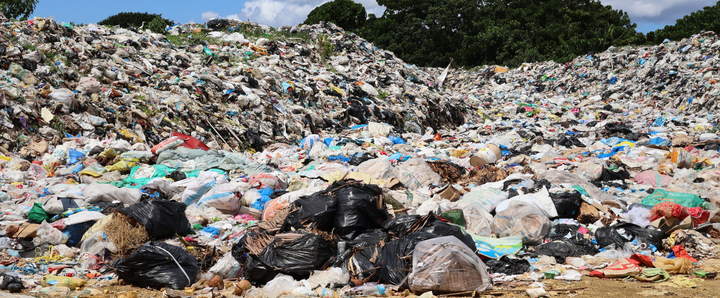 REJECT HOUSE BILL NO. 7575: DEFEND R.A. 9003 AND ADVANCE REAL ZERO WASTE SOLUTIONSWe call on the House Committee on Ecology and the Members of the House of Representatives to reject House Bill No. 7575 and uphold Republic Act No. 9003, otherwise known as the Ecological Solid Waste Management Act of 2000. For more than two decades, R.A. 9003 has provided a framework for reducing waste through segregation, recycling, composting, and community-based waste management. While implementation challenges remain, the solution is not to abandon the law's ecological principles but to fully implement them. House Bill No. 7575 proposes to replace sanitary landfills with waste-to-energy incineration facilities as the country's primary waste disposal system. This shifts the focus away from waste reduction and resource recovery and toward a system that depends on continuously burning waste. Incineration does not solve the waste crisis. It generates harmful emissions, produces toxic ash that still requires disposal, and undermines efforts to reduce, reuse, recycle, and compost. Incinerators require a constant and massive supply of waste to operate, creating pressure to keep generating and burning waste instead of reducing it. This weakens incentives for local governments to invest in waste reduction programs and undermines efforts to reduce single-use plastics and other problematic materials at the source. Instead of investing in waste burning, the Philippines should strengthen waste segregation, recycling, composting, plastic reduction, and measures that hold companies accountable for the waste they generate. We urge you to reject House Bill No. 7575, protect public health and the environment, and support genuine zero waste solutions that build a more sustainable and circular future for all.336 of 400 SignaturesCreated by EcoWaste Coalition
-
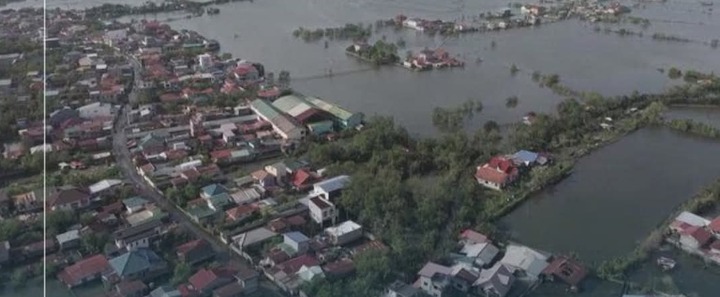 STOP THE SINKING OF BULACANSTOP THE SINKING OF BULACAN: Call for a Moratorium & Technical Review of the NMIA Reclamation INTRO: Bulacan is drowning — literally. Since the massive 3,000-hectare Aerocity reclamation began, and with the looming 9,000-hectare Bulacan Ecozone, entire towns across Bulacan, Pampanga, and CAMANAVA are suffering unprecedented flooding, saltwater intrusion, dead farmlands, and collapsing livelihoods. This is NOT just climate change. This is NOT just normal high tide. This is NOT “matagal nang problema.” Hydrologists from Hong Kong, environmental scientists, geologists, and local experts have warned for years: Reclamation in a semi-enclosed bay destroys natural drainage, alters groundwater, and causes regional flooding — even tens of kilometers away. Today, Bulacan is living that nightmare. We demand science-based action from the national government before the damage becomes irreversible. Sign this petition to call for: ✅ A MORATORIUM on all reclamation ✅ An INDEPENDENT TECHNICAL REVIEW ✅ REOPENING of blocked river mouths ✅ FULL DISCLOSURE of hydrological studies ✅ RELIEF and COMPENSATION for affected communities This is not anti-development. This is pro-science, pro-people, and pro-survival626 of 800 SignaturesCreated by Bulacan Coastal Watch
-
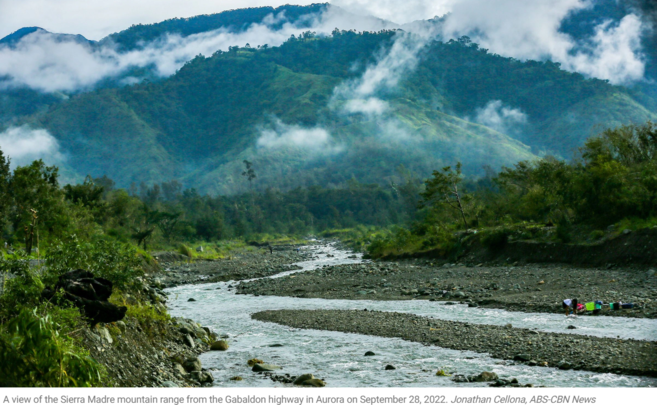 The Sierra Madre Covenant: It is NOW Our TurnOur Collective Stand This is a non-political, collective advocacy movement driven by the fundamental objective of creating and sustaining the public’s awareness of our shared responsibility to preserve our natural environment. We serve as a united voice, harnessing the people towards collective action for the Sierra Madre Mountain Range. In this light, we are signing this manifesto—The Sierra Madre Covenant—to express our support and to declare our stand: • WE SAY NO to Illegal Logging and the destructive deforestation that steals Sierra Madre’s natural resilience. • WE SAY NO to Irresponsible Quarrying and Mining that rip apart Her foundations for short-term profit. • WE SAY NO to Unsustainable Mountainside Commercial Real Estate Projects that violate and destabilize the natural environment. Our Commitment to Action We, the undersigned, acknowledge that signing this manifesto is a commitment, not just a declaration. We commit to doing our part in protecting the Sierra Madre Mountain Range and supporting the sustainable future of our environment in general. We vow to support this movement and the Sierra Madre in the following ways: 1. Supporting the Movement’s Programs • Participate in Grassroots Initiatives. Actively join and support planned activities aiming towards nature-based solutions and environmental action, including sustained reforestation and tree-planting drives to be organized by this movement and its partners. • Amplify the Message. Share this manifesto and the movement's calls-to-action within our personal and professional networks to rapidly expand public awareness for the Sierra Madre. 2. General Support for the Sierra Madre • Practice Vigilance. Be the eyes and ears of the movement. Report any suspicious activities related to illegal logging, quarrying, or environmentally destructive development to the proper local authorities and the movement’s channels. • Promote Sustainable Consumption. Actively choose eco-friendly products and support businesses that demonstrate a verifiable commitment to environmental stewardship that do not contribute to the destruction of natural resources. • Educate and Advocate. Engage in respectful but firm dialogue with local leaders, community members, and peers about the critical importance of the Sierra Madre. We stand collectively in the conviction that the survival of the Sierra Madre is inseparable from our very own survival. SO HELP US GOD. - THE PROTECT SIERRA MADRE MOVEMENT261 of 300 SignaturesCreated by Protect Sierra Madre Movement
 -
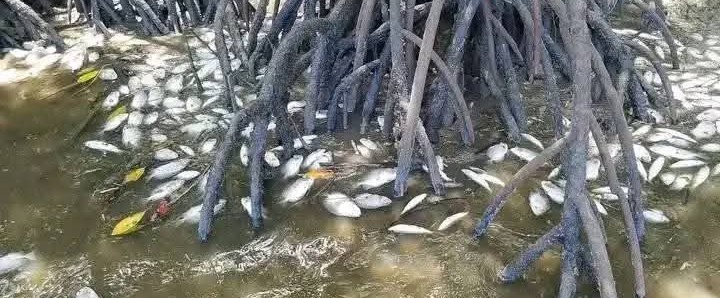 For the Future of Bais City, Manjuyod, and Tañon Strait — Support the Filing of a Writ of KalikasanThe LGUs of Bais City and Manjuyod must file or support the filing of a Writ of Kalikasan before the Court of Appeals to protect the affected communities and the Tañon Strait. They should also: ● Request an independent and transparent investigation into the wastewater spill and its impact on the environment and public health. ● Coordinate with the DENR, EMB, and environmental law groups for legal, scientific, and technical support. ● Ensure public disclosure of test results and actions taken. ● Lead rehabilitation and monitoring efforts to prevent future harm. These steps will show strong local leadership and ensure that accountability, transparency, and environmental protection remain top priorities.594 of 600 SignaturesCreated by Lloyd Dionson
 -
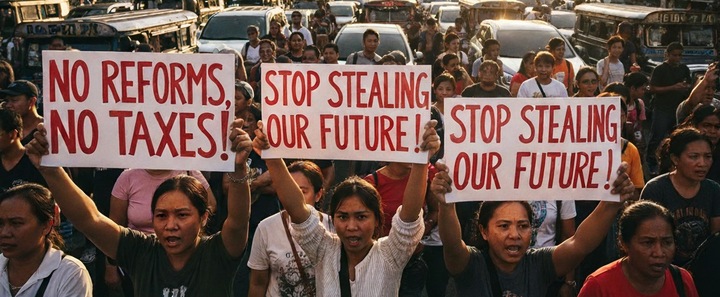 Call for a Temporary Tax Holiday Pending Comprehensive Anti-Corruption ReformsWe, the undersigned citizens of the Philippines, respectfully submit this petition to call for urgent corrective measures in light of persistent corruption scandals that have significantly undermined public trust in governance and the proper utilization of taxpayer funds. The Commission on Audit (COA) and various watchdog organizations have repeatedly documented billions of pesos lost annually due to misuse, irregular disbursements, and fraud. These losses deprive our nation of schools, hospitals, infrastructure, and social programs that are vital to the welfare of the Filipino people. In recognition of these systemic issues, we hereby petition for the following: 1. Declaration of a Temporary Tax Holiday for low- and middle-income earners, small businesses, and essential goods, pending demonstrable implementation of anti-corruption reforms. 2. Full, independent, and transparent audits of government expenditures by COA, with public disclosure of findings. 3. Institutional reforms to strengthen whistleblower protection, ensure impartial prosecution of corruption cases, and enforce transparency in procurement and spending. 4. Clear timelines and measurable targets for anti-corruption reforms, with progress reports accessible to the public. It is unjust to compel citizens to fund a system where public money is routinely stolen or misused. Until credible reforms are enforced, tax relief is both a moral and equitable recourse. We urge our leaders to heed this call for accountability and justice.18 of 100 SignaturesCreated by Catherine Chiong
-
Stop Corruption Now: Demand Transparency and Accountability from Our LeadersWe call on our leaders to fully investigate recent corruption cases, strengthen anti-corruption laws, and enforce transparency in all government spending. We also demand that all public officials publicly declare their assets and undergo independent lifestyle checks. 7 of 100 SignaturesCreated by Jest Antaa
-
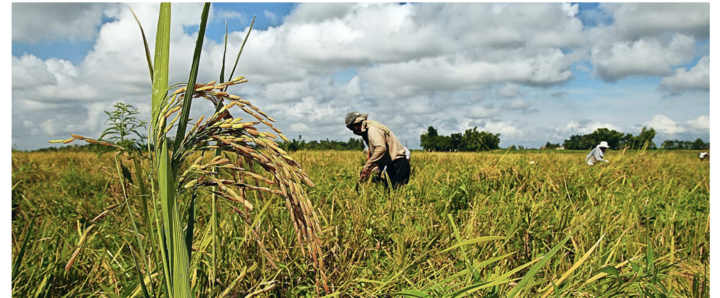 PROTECT FARMERS, PROTECT BIODIVERSITY: KEEP NEGROS GMO-FREEPETITION TO UPHOLD PROVINCIAL ORDINANCE NO. 007, SERIES OF 2007: THE SAFEGUARD AGAINST LIVING GENETICALLY MODIFIED ORGANISMS WE, THE PEOPLE OF NEGROS OCCIDENTAL, SAY: PROTECT OUR SAFEGUARD AGAINST LIVING GMOs! We recognize and respect the Provincial Government’s efforts to review policies so that they remain relevant and aligned with national guidelines. However, we strongly urge that Provincial Ordinance No. 007, Series of 2007—our existing safeguard against living genetically modified organisms (GMOs)—be maintained in full force. This ordinance does not ban all GMO-related products. Instead, it specifically prohibits the entry, planting, growing, and field testing of living GMOs within Negros Occidental. This focused safeguard is crucial to protecting our vision and our future. Here is why this protection must remain intact: 1. Protecting Our Dream: Negros as the “Organic Food Island” Negros Occidental has long aspired to be recognized as the Philippines’ “Organic Food Island.” Ordinance No. 007 was carefully crafted to protect this vision and to safeguard the province’s unique biodiversity. Allowing living GMOs could undermine both our brand and the organic industry we have worked so hard to build. 2. A Targeted Safeguard that Works Our ordinance is not a blanket ban on all GMO products. Rather, it applies specifically to living GMOs—plants and animals capable of reproduction. By prohibiting their entry and cultivation, the ordinance prevents risks of genetic contamination and unintended ecological consequences. This safeguard is proportionate and effective in keeping our farming systems safe and aligned with our organic goals. 3. A Thoughtful Decision by Our Leaders The passage of Ordinance No. 007 was a deliberate and unanimous choice by our provincial leaders, reflecting a precautionary approach. Recognizing the uncertainties around the long-term effects of GMOs, they acted decisively to protect public welfare, food security, and the environment. That wisdom remains valid today. 4. Our Right to Stronger Local Protections National laws provide broad guidance, but local governments have the authority to enact measures that reflect their unique context and aspirations. Ordinance No. 007 demonstrates the province’s right—and responsibility—to go beyond minimum standards in protecting its people and environment. 5. Strong Enforcement is Already in Place The ordinance is not symbolic; it has built-in enforcement mechanisms. Monitoring stations at ports of entry and a multi-sectoral committee ensure compliance and accountability. These safeguards are already effective, and replacing them with weaker regulations would put our systems at risk. We therefore respectfully call on Governor Eugenio “Bong” Lacson and the Sangguniang Panlalawigan to: • Reject the proposed GMO Regulatory Ordinance. • Retain and strengthen Provincial Ordinance No. 007, Series of 2007. • Unite government agencies, LGUs, civil society organizations, farmers’ cooperatives, and all stakeholders in protecting Negros Occidental’s standing as the Philippines’ Organic Food Island. Let us keep Negros Occidental safe, sustainable, and proudly organic.711 of 800 SignaturesCreated by Breech Pedrajas
 -
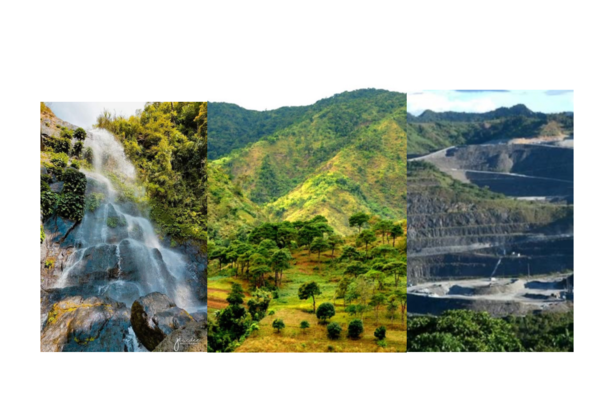 STOP the Proposed Mining in Dupax del Norte, Nueva Vizcaya – Protect Our Farms, Rivers, and FutureWe, concerned citizens of Nueva Vizcaya and supporters from across the Philippines, strongly oppose the planned mining operations in Dupax del Norte. Our province is known as the Watershed Haven of Region II, supplying clean water to farms, households, and communities downstream. Dupax del Norte’s fertile lands sustain generations of farmers and provide food security for many families. Allowing large-scale mining here will endanger our environment, livelihoods, and cultural heritage. Why We Oppose the Mining: 1. Threat to Water Sources – Mining can pollute rivers and irrigation systems with silt and heavy metals, affecting agriculture and drinking water. 2. Damage to Agricultural Lands – The proposed site covers farmlands and forests essential to local food production. 3. Risk to Biodiversity – Our forests are home to endangered plants and animals; mining will destroy their habitat. 4. Cultural and Community Impact – The area is part of our heritage and is home to Indigenous Peoples whose free, prior, and informed consent (FPIC) is required under the Indigenous Peoples Rights Act (RA 8371). 5. Violation of Local Laws – Nueva Vizcaya has an Environment Code prohibiting destructive mining practices such as open-pit operations. Our Call to Action: We urge the Department of Environment and Natural Resources (DENR), the Mines and Geosciences Bureau (MGB) Region II, and our local leaders to: • Deny any mining permits or Environmental Compliance Certificates for the project. • Enforce the Nueva Vizcaya Environment Code and uphold national environmental protection laws. • Protect our watersheds, forests, and agricultural lands for present and future generations. Mining may bring short-term profits to a few, but it will leave long-term damage to our land, water, and community. We call on all Filipinos to stand with us in defending Dupax del Norte from destructive mining. Sign this petition to show the DENR, MGB, and our lawmakers that the people say NO to mining in Dupax del Norte!3,761 of 4,000 SignaturesCreated by Daisy Agungan