
1,000 signatures reached
To: Bacolod City Mayor Greg Gasataya
Bacolod: Reject Waste Incineration. Enforce RA 9003 and advance Zero Waste Solutions Now.
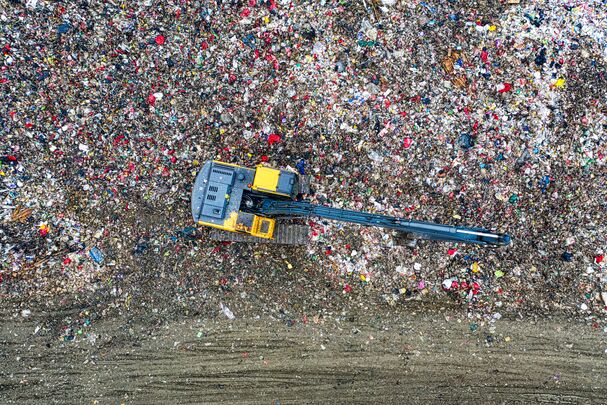
Bacolod’s waste crisis did not happen overnight. It is the result of decades of neglect, underinvestment, and failure to fully implement existing solid waste management laws and policies. Instead of addressing these long-standing gaps, the City Government is now considering waste-to-energy (WTE) incineration and similar technologies as a quick fix.
But there is no shortcut to sustainable waste management.
Waste incineration, regardless of whether it is called Waste-to-Energy, Pyrolysis, Gasification, Thermal Treatment, or any other name, poses serious risks to our environment, public health, and communities.
Why We Oppose Waste Incineration
But there is no shortcut to sustainable waste management.
Waste incineration, regardless of whether it is called Waste-to-Energy, Pyrolysis, Gasification, Thermal Treatment, or any other name, poses serious risks to our environment, public health, and communities.
Why We Oppose Waste Incineration
- It threatens public health. Waste incineration facilities release hazardous pollutants, including toxic organic compounds and other harmful emissions linked to respiratory illnesses, cancer, and other health risks.
- It creates sacrifice zones. Poor communities, particularly in Barangay Felisa and nearby areas, will bear the greatest burden of pollution and environmental risks despite contributing the least to the problem.
- It undermines Zero Waste solutions. Incineration depends on a continuous supply of waste, discouraging waste reduction, recycling, composting, and other sustainable practices mandated under Republic Act 9003.
- It locks the city into costly long-term contracts. Incineration projects require massive financial investments that could instead be used to strengthen proven waste management systems and community-based solutions.
- It does not solve the root causes of the waste crisis. Burning waste merely treats the symptoms while allowing unsustainable production, consumption, and waste generation to continue.
We Are Deeply Concerned About the Lack of Transparency
Despite repeated commitments to transparency and public participation, requests for project documents and information have gone unanswered. Comments and concerns raised by civil society and affected stakeholders have been received but not meaningfully acted upon.
Decisions that will affect public health, the environment, and future generations cannot be made behind closed doors.
Our Demands
We call on the Bacolod City Government to:
- Immediately disclose all public documents related to proposed waste-to-energy, incineration, pyrolysis, gasification, thermal treatment, and similar projects.
- Ensure genuine participation of communities, civil society organizations, experts, waste workers, and affected residents in all stages of decision-making.
- Reject waste incineration and all similar waste-burning technologies, regardless of the name under which they are proposed.
- Fully implement Republic Act 9003 and existing local ordinances, including measures on waste reduction, segregation, recycling, composting, and plastic reduction.
- Invest in Zero Waste solutions that protect public health, create local livelihoods, and build a cleaner, more sustainable Bacolod.
The future of Bacolod should not be built on burning waste and sacrificing communities. We deserve a waste management system that is transparent, participatory, environmentally sound, and just.
Sign this petition and join us in demanding Zero Waste solutions for Bacolod. Join our call on Mayor Greg Gasataya to uphold our constitutional right to a healthy and balanced ecology.
Why is this important?
The decision being made today will affect Bacolod for generations.
A waste incineration facility can operate for 25 to 50 years, continuously emitting greenhouse gases that worsen the climate crisis and releasing hazardous pollutants that are linked to cancer and other serious health impacts. Communities living closest to these facilities will bear the greatest risks.
Some of these pollutants, such as dioxins, are among the most toxic chemicals known and can persist in the environment for decades. Long after today’s decision-makers are gone, these pollutants can remain in our soil, water, food systems, and communities, affecting future generations of Bacolodnons.
This crisis is not caused by a lack of technology—it is the result of decades of failure to fully implement existing solutions. Republic Act 9003 already provides a clear framework for waste reduction, segregation, recycling, and composting. What we need is stronger implementation, not more harmful technologies disguised as solutions.
The future of Bacolod should not be decided behind closed doors. We have the right to transparency, meaningful participation, and a waste management system that protects people, public health, and the environment.
Join us in our call for better systems and a more robust implementation of our laws. Join us in demanding for Zero Waste solutions—not decades of pollution, secrecy, and irreversible consequences.
We deserve to live in a society where decisions are people-centered, sustainable, and just.